
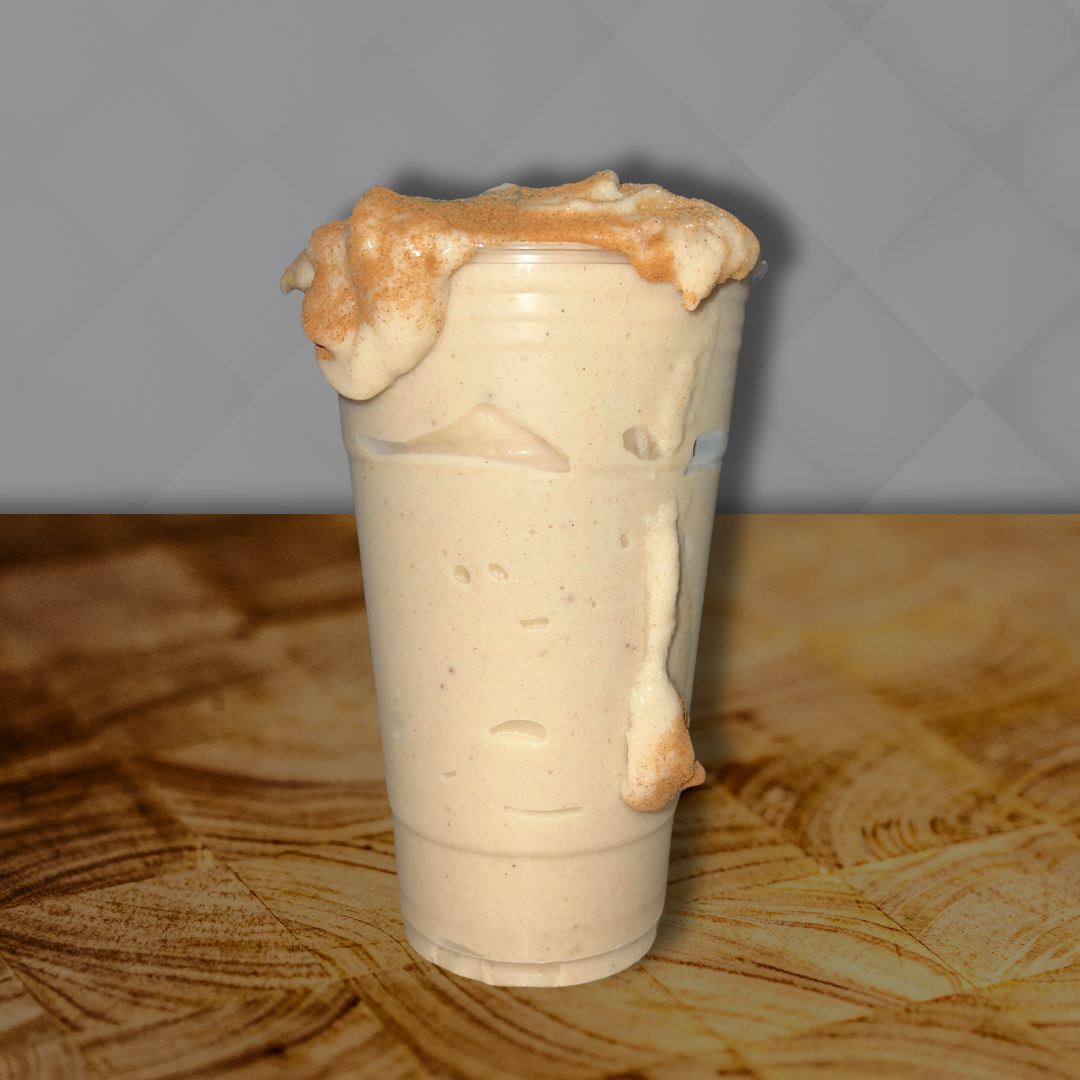
Why Smoothies Work for Real Life
Smoothies aren’t magic. They just remove friction. You don’t have to cook. You don’t have to sit down for a full meal. You don’t even need to be that hungry. You drink them on the way to work, after a workout, or when solid food sounds like a chore.
For a lot of people, that’s the difference between skipping nutrition altogether and actually getting something in. They also let you stack nutrients without forcing variety onto your plate. Spinach, berries, protein, healthy fats. It all fits in one cup without needing to “feel” like a health meal.
What Actually Makes a Smoothie Healthy
Not all smoothies help your health. Some are just dessert in a cup. A solid smoothie usually hits three things:
Protein
Protein is what keeps a smoothie from turning into a sugar rush. Without it, you’ll feel hungry again fast.
Real-world examples:
- Plant-based protein powder
- Greek-style dairy-free alternatives
- Collagen added to a fruit base
- Nut butters paired with protein powder
Most people do better with 20–30 grams, even if they don’t track it closely.
Fiber and Slow Carbs
Fruit alone isn’t the problem. Fruit without balance is.
Berries, bananas, and mango are fine, but they work better when paired with fiber-rich add-ins:
- Chia seeds
- Flax
- Oats
- Pumpkin
- Spinach (you won’t taste it)
This slows digestion and keeps energy steady instead of spiky.
Fats (The Missing Piece)
This is where a lot of smoothies fall flat. A little fat helps with fullness and nutrient absorption. It also makes smoothies taste better without relying on syrups or extra sweeteners.
Easy adds:
- Almond butter
- Peanut butter
- Avocado
- Coconut milk (not the sugary boxed kind)
You don’t need much. A spoon or two goes a long way.
Smoothies for Energy (Not Jitters)
If you’ve ever had a smoothie and felt tired an hour later, it probably wasn’t balanced. For steady energy:
- Pair fruit with protein and fat
- Avoid stacking fruit and sweetened liquids
- Don’t rely on juice as a base
Coffee smoothies are popular for a reason. Protein plus caffeine hits different than coffee alone. The crash is softer. The focus lasts longer. A simple example:
- Cold brew
- Vanilla protein
- Almond milk
- A little banana
- Cinnamon
Nothing fancy. Just effective.
Smoothies and Digestion
Some people avoid smoothies because they feel bloated afterward. That’s usually not because of smoothies, it’s because of what’s in them.
Common culprits:
- Too much raw fruit at once
- Sugar alcohols
- Artificial sweeteners
- Dairy that doesn’t sit well
If digestion is an issue:
- Use frozen fruit instead of fresh
- Start with smaller portions
- Blend longer than you think you need to
- Add more protein
Smoothies should feel easy. If they don’t, tweak instead of quitting.
When Smoothies Make the Most Sense
Smoothies aren’t required. They’re just useful in certain spots. They work especially well:
- First thing in the morning
- Post-workout when chewing feels unappealing
- During busy workdays
- When appetite is low but nutrition still matters
They’re also helpful for people who don’t love breakfast. Drinking calories is often easier than forcing a meal early.
Meal Replacement vs. Snack Smoothies
This matters more than people think.
A meal replacement smoothie should include:
- Protein
- Fiber
- Fat
- Enough calories to actually hold you over
A snack smoothie can be lighter:
- Fruit
- Protein
- Liquid base
The mistake is treating a snack smoothie like a meal and wondering why hunger hits hard later. Neither is wrong. They just serve different purposes.
Keeping Smoothies From Getting Boring
This is where people fall off. Same flavor. Same ingredients. Every day. Small changes help:
- Rotate fruits weekly
- Switch protein flavors
- Add spices like cinnamon or nutmeg
- Use seasonal ingredients
Texture matters too. Some days you want thick and cold. Other days, lighter and drinkable works better. No rules. Just adjust.
The Big Picture
Smoothies don’t replace real food. They support it. They help people stay consistent when life is busy, appetite is weird, or motivation is low. And consistency, boring as it sounds, is what actually improves health over time. If a smoothie helps you eat better more often, then it’s doing its job.